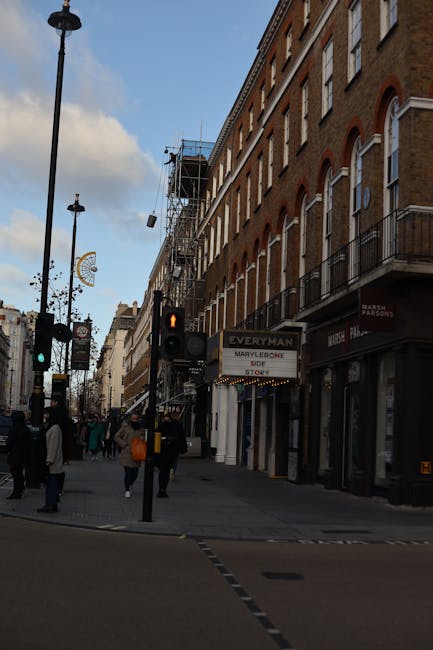
Stair-only flats on Wimpole Street -- safe heavy-item moves
Posted on 02/06/2026
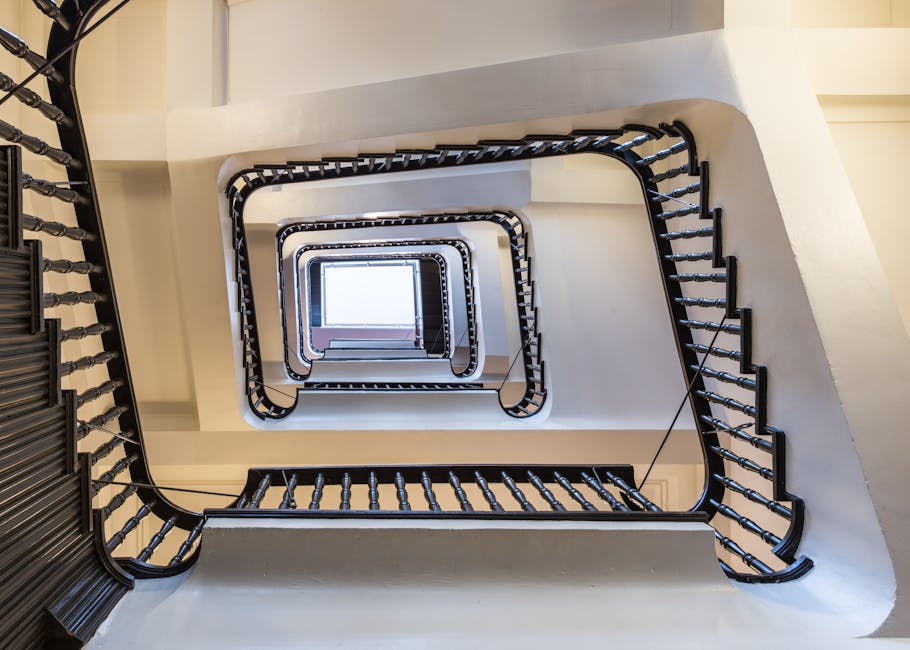
Moving a sofa, fridge, piano, or wardrobe into a stair-only flat on Wimpole Street is one of those jobs that looks straightforward right up until you meet the staircase. Then reality lands. Tight turns, narrow landings, polished banisters, and no lift can turn a simple move into a careful bit of choreography. That is exactly why Stair-only flats on Wimpole Street -- safe heavy-item moves need a plan, not just muscle.
This guide walks you through what makes these moves different, how safe heavy-item handling actually works in practice, and what to check before anyone carries a single box upstairs. If you are dealing with a compact Marylebone flat, you may also find our guide to Marylebone flat moves in compact homes useful, especially if the building layout is cramped and the route is awkward. Let's make the whole thing feel less daunting.
Quick reassurance: most heavy-item moves in stair-only properties are perfectly manageable when the route is measured properly, items are protected, and the lifting is done methodically. The trouble usually starts when people guess. And let's face it, guessing with a wardrobe on a tight staircase is not a great hobby.
- Why stair-only moves on Wimpole Street matter
- How safe heavy-item moves work
- Key benefits and practical advantages
- Who this is for
- Step-by-step guidance
- Expert tips for better results
- Common mistakes to avoid
- Tools, resources and recommendations
- Law, compliance, standards and best practice
- Options, methods and comparison table
- Case study or real-world example
- Practical checklist
- Conclusion
- Frequently asked questions
Why Stair-only flats on Wimpole Street -- safe heavy-item moves Matters
Wimpole Street sits in an area where many buildings are older, elegant, and not always designed with modern moving day in mind. Stair-only access is common in period conversions and upper-floor flats, and that changes the whole job. A heavy-item move is no longer just about loading a van and carrying things in. It becomes about route planning, grip, balance, protection, and timing.
Why does that matter so much? Because heavy items behave differently on stairs. Their weight shifts. One corner can clip a wall. A turn in the staircase can reduce the usable width by half. And if the item is tall, such as a fridge or wardrobe, the angle of carry can matter more than the weight itself. In a stair-only building, the safest move is usually the one that has been thought through before arrival.
There is also the human side. Residents still need access. Neighbours do not want hallways blocked for hours. A careful move respects the building, the people inside it, and your own nerves. In our experience, that makes the day calmer for everyone. You can almost hear the difference: fewer thuds, less muttering, no panicked "wait, pivot, no, the other way".
For local context and what living in this part of Marylebone can feel like, the article on resident insights in Marylebone gives a useful sense of the area's pace and housing style. It helps explain why stair-only access is such a common moving challenge here.
How Stair-only flats on Wimpole Street -- safe heavy-item moves Works
A safe heavy-item move in a stair-only flat works in stages. The move is not really the lifting itself. The lifting is the final step. Before that comes assessment, preparation, and choosing the right handling method for each item.
First, the access route is checked. That means looking at stair width, landing size, ceiling height, bannister clearance, door swings, and any awkward bends. A quick visual look is sometimes enough for small boxes, but not for a large sofa or American-style fridge. A measuring tape changes everything. So does a bit of patience.
Second, the item is prepared for movement. Drawers may need to be emptied and secured. Loose glass shelves should be removed. Sofas are wrapped or covered to avoid dirty scuffs. Fridge doors are taped shut. A piano, if involved, needs particularly careful handling, which is why specialist handling such as piano removals in Marylebone is a sensible reference point for anyone moving a highly sensitive heavy item.
Third, the team chooses a lifting method. That might be a two-person carry, a shoulder carry, a stair trolley, a shoulder strap system, or a combination. The best choice depends on item shape, weight distribution, and the staircase itself. Not every piece should be tipped. Not every stairwell wants a trolley. Common sense beats bravado every time.
Finally, the item is moved in a controlled rhythm. Slow, communicate, pause at landings, reset grip, move again. On a quiet street in the morning, that careful pace matters even more because there may be people arriving, parking restrictions to work around, and very little room for improvisation. If parking or loading conditions are part of your concern, the article on W1U parking and loading tips is especially relevant.
Key Benefits and Practical Advantages
There is a reason experienced movers spend more time planning than lifting. Good planning creates safer, smoother outcomes and usually saves time in the end. With stair-only flats, that is even more obvious.
- Lower risk of damage: walls, doors, floor edges, and the item itself are less likely to be scratched or cracked.
- Less physical strain: safe handling reduces the chance of back, shoulder, or hand injuries.
- Faster movement through awkward spaces: when the route is known, turning and lifting become simpler.
- Better control on narrow stairs: control matters more than speed in stair-only buildings.
- More confidence on moving day: you are not guessing, and that calms the whole process down.
There is also the practical benefit of fewer surprises. A heavy wardrobe that looks fine at the front door may be too tall for a landing turn. A chest of drawers may fit one way but not another. Measuring first prevents that awkward moment when everyone goes silent and looks at the staircase as if it might magically widen. It won't.
For anyone comparing moving support options, it is worth seeing how broader services are explained in the services overview and the dedicated flat removals in Marylebone page. Those pages help frame what kind of help you actually need, rather than just what sounds convenient.
Who This Is For and When It Makes Sense
This approach is for anyone moving heavy or bulky items into or out of a stair-only flat where lift access is not available. That might be a one-bedroom upper-floor flat, a split-level conversion, or a period property with a narrow communal staircase. Wimpole Street has its share of elegant buildings, but elegance does not mean easy loading.
It makes sense if you are moving one or more of the following:
- sofas, armchairs, or sectional furniture
- wardrobes, bed frames, and large mattresses
- fridges, freezers, washing machines, or dishwashers
- bookcases, desks, and filing cabinets
- exercise equipment
- fragile or high-value items that need careful handling
It also makes sense if you are time-limited. Students, tenants with fixed handover dates, and busy professionals often need a move done cleanly and without dragging the day out. If that sounds familiar, you might also look at student removals in Marylebone or same-day removals in Marylebone for situations where timing is tight and flexibility matters.
On the other hand, if the item is too large for the staircase even with protection and proper technique, the right answer may be disassembly, alternative routing, or temporary storage. There is no shame in that. A move that fits the building is better than a move that fights it.
Step-by-Step Guidance
If you want the shortest possible version, it is this: measure, protect, plan, lift carefully, and keep the route clear. But let's break that down properly, because the details are where the job is won.
- Measure the item and the staircase. Check height, width, depth, and any protruding parts like handles, feet, or hinges. Measure the narrowest turning point, not just the main staircase width.
- Map the route. Start at the van, then the entrance, then the stairs, then the flat. Include door swings, shared hallways, and any awkward bends.
- Protect the building. Use floor coverings, corner protection, and padded wraps where needed. Communal areas deserve care too.
- Prepare the item. Remove loose contents, secure doors and drawers, and take off detachable pieces if this makes the item easier to handle.
- Assign roles. One person leads, one stabilises, and one calls out hazards if needed. Clear communication matters more than people realise.
- Move slowly through turns. Pause at landings. Reset your grip before continuing. A rushed pivot is where damage often happens.
- Set down safely. Do not "just pop it down" on a tight stair tread. Use a controlled lower onto a flat, stable point.
- Inspect after placement. Check the item and the walls. Small scuffs are easier to fix early than after everyone has gone home.
A useful practical note: if a piece seems borderline, test the angle with a dummy run before fully committing. Even a small shift in tilt can decide whether an item passes a corner. That tiny pause can save a lot of grief.
Expert Tips for Better Results
Here is where experience really shows. Stair-only moves reward the person who notices the little things.
- Empty heavy furniture before moving it. A drawer full of books changes the balance and adds unnecessary strain.
- Protect the leading edge. The front corner of a sofa or fridge is usually the first contact point.
- Keep hands dry and grip secure. Moisture, tape, dust, and polished surfaces are a slippery mix. Literally.
- Use the landing as a reset point. Do not force a continuous lift if the staircase geometry makes the item unstable.
- Think about wall finish. Fresh paint, narrow bannisters, and soft plaster are easily marked.
- Disassemble when it helps, not when it is fashionable. If taking a bed frame apart saves the staircase, do it.
One thing people often forget is sound. A heavy item banging against a wall on a Wimpole Street staircase carries. It echoes through the building. That is why padded protection and a controlled pace are not just "nice to have"; they keep the day neighbour-friendly. No one wants to be the person whose moving day sounds like a drum solo.
If you want to see the kind of care and service standards that support this approach, about us and insurance and safety are worth reading. They help set expectations around responsible handling and working methods.

Common Mistakes to Avoid
Most problems in stair-only heavy-item moves come from a handful of predictable mistakes. The good news is that they are avoidable.
- Skipping measurements: "It'll fit" is not a strategy.
- Forgetting the turning radius: a straight staircase is one thing; a landing turn is another entirely.
- Moving with items still loaded: drawers, shelves, and internal contents make items unstable and unnecessarily heavy.
- Using too few people: one person trying to wrestle a sofa up stairs is a fast route to injury or damage.
- Ignoring communal access rules: if you block shared areas too long, people notice. Not always kindly.
- Rushing the final lift: the final 20 percent of the move is often the trickiest part.
There is also a quieter mistake: not planning for what happens if the item does not fit. A backup route, storage option, or disassembly plan can turn a near-disaster into a manageable adjustment. If you need a temporary holding solution, storage in Marylebone may be part of the answer.
And if the job includes unwanted items you are getting rid of, a related read on bulky rubbish collection fixes can help you think through the clean-out side of the move as well.
Tools, Resources and Recommendations
You do not need a warehouse full of kit to handle a stair-only move well, but a few tools make a big difference. The right equipment is usually what separates a careful move from a scrappy one.
| Tool or resource | What it helps with | Best use case |
|---|---|---|
| Measuring tape | Checks item size, stair width, and turning points | Before booking or lifting |
| Padded blankets and wraps | Protects furniture, walls, and bannisters | Large furniture and fragile finishes |
| Stair trolley or sack truck | Helps with controlled movement where suitable | Solid items with manageable shape |
| Straps and gloves | Improves grip and load control | Heavier items and longer carries |
| Floor protectors | Reduces scuffs and marks in hallways and landings | Communal stairwells and finished floors |
In terms of services, the most relevant pages for this topic are the general man with a van in Marylebone options, the broader removal services in Marylebone, and the more specific furniture removals in Marylebone service. Those are the natural starting points if you need actual hands on the day rather than just advice.
A small but useful recommendation: photograph the item, the stairwell, and the landing before moving day if you are unsure about access. It is not about making a drama out of it. It is about giving everyone the same picture and avoiding assumptions.
Law, Compliance, Standards, or Best Practice
This kind of move is not usually about complicated legal rules, but it does sit within normal UK expectations for safe working and responsible handling. In plain English, that means people moving heavy goods should use sensible manual-handling practice, protect property where possible, and avoid creating risks for themselves or others.
For stair-only flats, best practice usually includes:
- reducing unnecessary lifting strain by using team lifts or equipment where suitable
- checking access before moving day rather than discovering problems mid-lift
- protecting walls, floors, and shared areas from avoidable damage
- working at a pace that allows communication and controlled movement
- making reasonable adjustments for fragile, oversized, or awkward items
If a move involves shared entrances, narrow communal hallways, or loading outside, it is also wise to be considerate about obstruction and timing. Wimpole Street can be busy and a bit tight for manoeuvring at the best of times. A sensible setup, especially with parking or loading constraints, helps the whole thing stay civilised.
For peace of mind, it is worth reviewing the company's health and safety policy, terms and conditions, and privacy policy if you are booking a professional move. These pages do not make the move easier by themselves, of course, but they do help you understand how the service is structured and what is expected on both sides.
Options, Methods, or Comparison Table
Not every heavy-item move into a stair-only flat should be handled the same way. The right method depends on the item, the staircase, and your tolerance for risk. Here is a simple comparison.
| Method | Best for | Advantages | Limitations |
|---|---|---|---|
| Two-person manual carry | Most furniture and boxed items | Flexible, precise, good for turns | Requires coordination and strength |
| Stair trolley or sack truck | Sturdy, well-shaped heavy items | Reduces strain on flatter sections | Can be awkward on tight or curved stairs |
| Partial disassembly | Wardrobes, beds, large desks | Makes tight access far easier | Takes time and good reassembly planning |
| Specialist handling | Pianos, antiques, delicate large items | More control and reduced damage risk | Usually more resource-intensive |
| Temporary storage first | Borderline items or phased moves | Prevents rushed decisions | Adds an extra step and scheduling point |
Truth be told, the best method is often a mixture. A bed frame may be dismantled, a mattress carried manually, and a fridge handled with straps and a team lift. Real moves are rarely neat, and that is fine.
Case Study or Real-World Example
Here is a realistic example based on the kind of flat move people commonly face on Wimpole Street.
A tenant in an upper-floor stair-only flat needs to move out a three-seater sofa, a double bed frame, a mattress, and a large fridge-freezer. The staircase is narrow, with a turn near the top landing and a shared hallway at the entrance. The sofa looks easy enough in the lounge, but once measured, it is clear that the frame only just clears the tightest bend if it is carried upright.
The team starts by measuring the stairs and item dimensions, then removes the fridge shelves and secures both doors. The bed is dismantled completely. The sofa is wrapped, and the move begins with the fridge because it is the heaviest and most awkward item. Two people carry, one leads from below, and a third person watches the corners and calls out turns. They pause at the landing, reset grip, then continue. No rushing. No drama.
What made the difference? The prep work. The building never became an obstacle course because the route was checked first. The move was finished cleanly, with no damage to the staircase and no strained backs. A bit boring, really - which, in moving terms, is usually a win.
If the job had included a blocked route or awkward parking, a local article such as moving near Sherlock Holmes Museum access tips would be a useful read for understanding nearby access pressures and street-level logistics in this part of Marylebone.
Practical Checklist
Use this checklist before moving day. It is simple, but it saves headaches.
- Measure every heavy item, including handles and protruding parts.
- Measure the staircase, landings, and doorways.
- Check whether items can be dismantled safely.
- Empty drawers, cupboards, and appliance contents.
- Protect floors, walls, and bannisters.
- Confirm who is carrying what and in which order.
- Keep routes clear of bags, bins, shoes, and loose clutter.
- Plan for parking, loading, and arrival timing.
- Set aside tools: straps, blankets, tape, and gloves.
- Have a backup plan if an item does not fit.
Expert summary: safe stair-only heavy-item moves are not really about power. They are about making the staircase predictable, reducing friction, and never forcing an item through a space it clearly does not want to occupy.
If you want a broader sense of local moving support or to compare your options, the main removals in Marylebone page is a helpful place to start, and the testimonials section can give you a feel for how the service is experienced by real customers.
Conclusion
Stair-only flats on Wimpole Street need a calmer, smarter moving approach than a standard ground-floor job. Once you add heavy items into the mix, the margin for error gets smaller, which is exactly why planning, protection, and proper handling matter so much.
If you remember only three things, make them these: measure first, protect the route, and do not rush the turns. That alone prevents a surprising amount of trouble. And if an item looks borderline, stop and rethink rather than forcing it. A patient move is usually the safe move.
For anyone moving into or out of a stair-only flat, the sensible next step is to get the access checked, decide what needs dismantling, and choose a service that understands narrow stairwells, heavy items, and Marylebone's practical quirks. Small preparation, big difference. Really, that is the whole story.
Get a free quote today and see how much you can save.
And if you are still standing in a hallway wondering whether that wardrobe will ever make the turn, take a breath. With the right plan, it usually does.