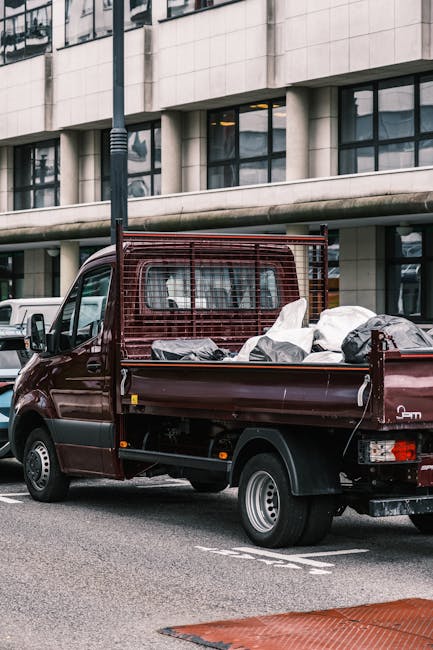
Bulky rubbish collection in Marylebone: man-and-van fixes
Posted on 06/05/2026
If you live or work in Marylebone, bulky rubbish has a habit of becoming urgent at the worst possible time. A sofa blocks the hallway. A broken wardrobe sits in the spare room. Flat-pack packaging, office fixtures, or garden waste starts to crowd the place and suddenly the room feels smaller than it did yesterday. That is where Bulky rubbish collection in Marylebone: man-and-van fixes comes in handy: a practical, flexible way to clear larger items without turning the whole day into a logistical headache.
This guide explains what the service usually involves, how it works in a busy central London setting, when it makes sense, what to watch out for, and how to get the cleanest result with the least fuss. You will also find a comparison of common disposal options, a real-world example, a checklist, and answers to the questions people ask most often. If you need a broader look at the company's services, the services overview is a useful starting point, and if you want to check availability or talk through a tricky clearance, the contact page is the quickest next step.
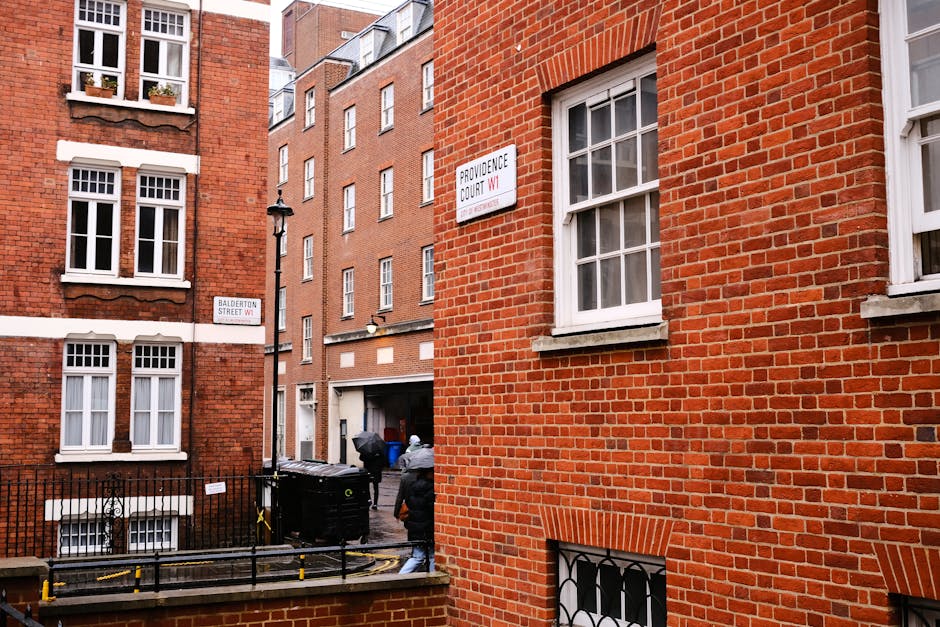
Why Bulky rubbish collection in Marylebone: man-and-van fixes Matters
Marylebone has its own rhythm. Streets can be tight, access can be awkward, and many properties are apartments, managed buildings, or period homes with staircases that seem to have been designed before large furniture existed. That matters because bulky rubbish is rarely just "junk". It is usually something large, awkward, and inconvenient that needs careful handling, lifting, loading, and disposal.
Man-and-van fixes are popular here because they bridge the gap between a full commercial clearance and doing everything yourself. In plain English, you get a team, a vehicle, and the practical know-how to remove larger items quickly, without needing to hire a big skip or spend your weekend battling with a hire van. Truth be told, that balance is often what people are really paying for: less stress, less heavy lifting, and less risk of damage in a property that may already be a bit tight on space.
There is also a local timing issue. In a neighbourhood like Marylebone, waste left in a hallway or near a bin store can become a nuisance fast. It can block access, annoy neighbours, and create a poor impression if you are moving out, letting a flat, or getting an office ready for its next use. For residents looking for area-specific context, the article resident insights on living in Marylebone gives a useful feel for the neighbourhood's pace and property mix.
Expert summary: bulky rubbish collection works best when it is treated as a practical moving task, not just a disposal problem. The winning combination is usually good access planning, safe lifting, the right vehicle size, and a clear idea of what can be reused, recycled, or removed in one visit. Nice and simple, but not always easy unless you know the local pinch points.
How Bulky rubbish collection in Marylebone: man-and-van fixes Works
At a basic level, the process is straightforward. You describe what needs to go, the team assesses the volume and access, a van arrives at the arranged time, and the items are loaded and removed. The details are where things become more useful.
A proper man-and-van bulky collection usually follows a pattern like this:
- Assessment: You explain the items, where they are located, and whether there are stairs, narrow halls, lifts, loading restrictions, or parking issues.
- Planning: The team estimates the right vehicle size and likely number of people needed. A single sofa is one thing; a full flat's worth of mixed bulky waste is another.
- Arrival and loading: The team removes the items carefully, often protecting walls and floors where needed.
- Sorting: Reusable, recyclable, and general waste streams are separated where practical.
- Transport and disposal: Items are taken away for lawful disposal or recycling, depending on the material and condition.
For many customers, this approach sits neatly beside other moving and clearance services. If the bulky rubbish is part of a larger home refresh, the pages on furniture removals in Marylebone and removals in Marylebone can be relevant too. That is especially true when you are clearing old items before new ones arrive. You know how it goes: one sofa out, another one in, and the front room finally breathes again.
Access is often the hidden issue. In central London, a job that sounds small on paper can become fiddly because of parking, narrow stairwells, or building rules. A good operator will ask the right questions before the van sets off. If they do not, that is a small red flag. Not a disaster, just a sign to slow down and check the basics.
Key Benefits and Practical Advantages
The main benefit is convenience, but that is only part of the story. A well-run bulky waste collection saves time, reduces physical strain, and helps you handle awkward items without improvising on the day.
- Less heavy lifting for you: Large wardrobes, broken beds, and old desks are not friendly to your back or your walls.
- Better for tight access: A van-based service can often adapt more easily than a larger clearance setup.
- Faster turnaround: Ideal when you need a room cleared before a handover, refurbishment, or delivery.
- More flexible scheduling: Man-and-van services often suit same-day or short-notice needs better than more rigid alternatives.
- Cleaner finish: The job is not just "remove the big thing"; it is making the space usable again.
There is also a practical mental benefit people underestimate. When a bulky item has been sitting there for weeks, it quietly drains attention. Every time you walk past it, you notice it. A corner becomes a storage zone. The room feels unfinished. Clear it, and the whole place seems calmer. Oddly enough, that matters more than people expect.
If sustainability matters to you, it is worth asking how materials are handled after collection. Responsible operators should be able to explain their approach to recycling and reuse in plain terms. The website's recycling and sustainability information is a useful page to review if you want to understand the broader ethos behind disposal choices.
Who This Is For and When It Makes Sense
This service is useful for a pretty wide range of people, not just homeowners with a rogue sofa. In Marylebone, the typical customers tend to be residents, landlords, tenants, letting agents, small businesses, and people in the middle of a move or refurbishment.
It makes sense when you are dealing with one or more of these situations:
- Old furniture that is too large for normal household disposal
- Broken appliances or bulky household items
- End-of-tenancy clear-outs
- Office furniture replacement
- Student move-outs with mixed unwanted items
- Post-renovation waste that does not fit neat bin-sack handling
- Last-minute clearances before inventory checks or viewings
For tenants, this can be especially helpful because time is usually short and shared building rules are not always forgiving. For landlords and agents, speed and consistency matter more than sentiment. And for small businesses, a cluttered back office or storage room can quietly slow down the day more than you think.
Some customers only need a single-item collection. Others are clearing a flat with a mix of furniture, boxes, and leftovers from a move. In those cases, a broader service such as flat removals in Marylebone or house removals in Marylebone may make more sense than a one-off bulky waste call. It depends on the scale. No need to make it more complicated than it is.
Step-by-Step Guidance
If you want the process to go smoothly, a little preparation goes a long way. Here is the simplest way to approach it.
- List everything that needs removing. Be specific. "Old furniture" is less useful than "double mattress, two chairs, one chest of drawers, and two bags of packaging."
- Check access details. Note stairs, lift size, parking restrictions, timed entry, concierge rules, or loading bay limitations.
- Separate anything reusable. If some items are in good condition, ask whether they can be treated differently from damaged waste.
- Measure awkward items if needed. A quick rough measurement can prevent the classic problem of discovering the wardrobe is wider than the corridor. Happens more than you'd think.
- Prepare the route. Clear the hallway, protect fragile flooring if needed, and make sure keys or entry codes are ready.
- Confirm the service scope. Check whether carrying, loading, disposal, recycling, and labour are all included.
- Be available for questions. A good team may need a quick decision if they find something unexpected on site.
For larger or mixed jobs, you may also want packing support. A bit of organisation before the van arrives can make the whole thing feel surprisingly easy. If you need advice on securing loose items or boxing smaller clutter before clearance, the page on packing and boxes in Marylebone may be useful.
One small but important thing: check what you are actually trying to clear. A pile of junk can hide a few items with resale, donation, or reuse potential. If something is worth keeping, put it to one side before the team starts moving fast. Once the loading begins, it all becomes one blur of edges and doorframes.
Expert Tips for Better Results
A good bulky rubbish collection is not just about muscle. It is about planning and common sense. Here are the tips that make the biggest difference in real life.
- Photograph the items before booking. It helps with estimating size and number.
- Be honest about access. A wide staircase in a brochure can still be a nightmare with a fridge.
- Keep walkways clear. You want the route out to be simple, not a moving obstacle course.
- Ask about recycling routes. If you care where things end up, ask early and clearly.
- Group similar items together. That makes sorting and loading faster.
- Build in a little time margin. Central London traffic and parking do not always behave.
Here is a small practical observation: collections always go better when the customer has already made a decision about what is staying and what is leaving. That sounds obvious, but on-site indecision is what slows people down. A quick "yes, that goes" beats ten minutes of hovering in the doorway.
If the job is tied to a move, this can sit alongside a broader support plan. For example, someone relocating from a small Marylebone flat may combine clearance with man and van services in Marylebone or even a same-day slot for the last-minute pieces. The best setup is the one that reduces friction, not the one that sounds biggest.
![A brightly lit underground corridor with white walls decorated with vintage-inspired red and black signage, including the 'Prince Regent' sign and historical references. The floor features a skid-resistant concrete surface with a central red section leading toward a staircase with black and yellow striped safety markings on the steps. On the left, a large white wall displays a question mark symbol in black, amidst various graphic elements. The corridor is used for transporting household or office furniture and boxes during a home relocation, with the environment suited for personnel from [COMPANY_NAME] to load and unload items onto a nearby commercial van parked outside the building. The hallway's lighting includes overhead fluorescent strips, and the area appears clean and organized for the logistics of furniture transport and packing during a house move or removal service. This internal space facilitates efficient loading and unloading processes as part of a professional removals operation, connected to the services detailed on the [PAGE_TITLE] page.](/pub/blogphoto/bulky-rubbish-collection-in-marylebone-manandvan-fixes2.jpg)
Common Mistakes to Avoid
Most problems with bulky rubbish collection are preventable. The frustrating bit is that the mistakes are usually small. A few of the most common ones are below.
- Underestimating volume: Three items can look like two once they are stacked in a room, but not in the van.
- Ignoring access constraints: One narrow turn or locked gate can change the whole plan.
- Leaving booking details vague: "A few things" is not enough if one of those things is a heavy wardrobe.
- Forgetting building rules: Some properties need notice, lift protection, or timed access.
- Mixing unwanted items with valuables: A costly mistake, and an avoidable one.
- Choosing the cheapest option without checking what is included: The headline price can look neat, but labour, access, disposal, or timing may not be covered.
Another subtle mistake is assuming all bulky waste is the same. It is not. A flat-pack desk is very different from a piano, and a piano is very different from general household clutter. If you have unusually heavy or delicate items, a specialist service may be the better fit, such as piano removals in Marylebone. That is not overcautious; it is just sensible.
And one more, because it comes up often: do not leave everything until the day of the collection if you can help it. The last-minute scramble is where things get lost, damaged, or forgotten. We have all done it, but it is rarely graceful.
Tools, Resources and Recommendations
You do not need much to prepare for a bulky collection, but the right few tools make the day smoother.
| Tool or Resource | What it helps with | Why it matters |
|---|---|---|
| Tape measure | Rough item dimensions | Helps avoid access surprises |
| Marker pen and labels | Identifying keep, recycle, and remove piles | Reduces mistakes during loading |
| Moving blankets or floor protection | Protecting walls and floors | Useful in narrow stairwells or period properties |
| Phone photos | Sharing item and access details | Makes quoting and planning more accurate |
| Building instructions or concierge notes | Access and loading rules | Prevents delays on the day |
There are also a few internal pages worth having in mind if your bulky collection is part of a wider project. The removal services in Marylebone page gives a broader picture of support options, while same-day removals in Marylebone can be helpful when time is tight. If you are planning a move rather than just a clearance, the removal van service and the man with a van option may also be relevant depending on how much needs shifting.
For property-specific timing, it can also help to read the local moving advice in moving near the Sherlock Holmes Museum access tips if your location is in one of Marylebone's busier pockets. Access around central landmarks can be a bit of a puzzle, especially at peak times.
Law, Compliance, Standards, or Best Practice
Bulky rubbish collection may sound straightforward, but there is still a compliance side to it. In the UK, waste must be handled responsibly, and anyone removing waste on your behalf should operate in a way that supports lawful disposal and sensible environmental practice. You do not need to become a waste law expert, but you should expect professionalism.
Best practice usually includes:
- Clear agreement on what will be removed
- Evidence of lawful waste handling through the provider's processes
- Reasonable care when moving items through the property
- Respect for building rules, neighbours, and access restrictions
- Separation of reusable and recyclable materials where practical
In a busy place like Marylebone, safety matters as much as speed. A good team should manage lifting carefully, avoid unnecessary damage, and communicate clearly if something changes on site. If you want to read more about how the business approaches working safely and responsibly, pages like health and safety policy and insurance and safety help set expectations in plain language.
One thing worth saying plainly: if a collection seems too vague, too rushed, or oddly unwilling to answer basic questions, pause. Better to ask twice than to deal with a damaged hallway or an unclear disposal trail later. That is not being fussy. That is being sensible.
Options, Methods, or Comparison Table
People often compare man-and-van collections with skips, council-style disposal, or doing it themselves. The best choice depends on the items, the access, and the time available.
| Option | Best for | Strengths | Watch-outs |
|---|---|---|---|
| Man-and-van bulky collection | Mixed bulky items, tight access, quick clearances | Flexible, labour included, good for flats and central locations | Needs clear access details and good booking information |
| Skip hire | Large ongoing clear-outs or renovation waste | Handy for repeated loading over time | Requires space, permits may be needed, less suited to tight streets |
| DIY disposal | Small amounts and people with transport and time | Can suit very small jobs | Heavy lifting, time cost, vehicle limits, and disposal logistics |
| Specialist removal | Heavy, fragile, or unusual items | Extra care and handling | May cost more, but often worth it for complex items |
For many Marylebone households, man-and-van is the sweet spot. Not too elaborate, not too small. Especially when the job is done in one visit and you can get on with the rest of your day. That said, if you are also moving furniture into storage, the page on storage in Marylebone might help you think through the wider plan.
Case Study or Real-World Example
Imagine a second-floor flat just off a busy Marylebone street. The occupants have sold a sofa, replaced a bed, and finally decided to clear two broken office chairs and a pile of packaging that has been sitting there since a delivery three weeks ago. There is a lift, but it is narrow. Parking is limited. The stairs are manageable, but not exactly generous.
In that kind of situation, a man-and-van fix usually works well because the team can arrive with a sensible vehicle size, carry items carefully down the stairwell, and avoid the long delay of trying to organise several separate disposal trips. A quick pre-check on access means the job stays contained. The customer gets the room back, the hallway is cleared, and the flat stops feeling half-finished.
The best part? The job often takes less effort than people feared. Not because it is magic, just because the right setup was chosen. That little detail matters.
For a property that is being prepared for sale or rental, this can dovetail with other local planning content such as the guide to buying property in Marylebone or Marylebone real estate investment insights, where presentation and timing often shape the next step.
Practical Checklist
Use this before your collection day.
- List every bulky item clearly
- Confirm which items are staying and which are going
- Check stair access, lift size, and any building restrictions
- Make parking or loading information available
- Measure unusually large items if there is any doubt
- Set aside valuables, documents, and anything reusable
- Tell the provider about fragile surfaces or narrow turns
- Ask what is included in the quote
- Prepare entry codes, keys, or concierge contact details
- Confirm the collection time and point of contact
Quick takeaway: the smoother the access information, the faster and cleaner the clearance. It really is that simple. Most delays come from missing details, not from the actual lifting.
Conclusion
Bulky rubbish collection in Marylebone works best when it is handled as a carefully planned moving task rather than a last-minute clean-up. The right man-and-van approach can save time, reduce physical strain, and remove awkward items without the disruption of a more complex disposal setup. For residents, landlords, and local businesses alike, the biggest wins are usually clarity, speed, and a tidy finish.
If your clearance is part of a larger move, or you are comparing service options before deciding, it helps to look at the whole picture: access, item type, timing, and what happens to the waste afterwards. A little planning goes a long way, and in Marylebone that's especially true.
And honestly, there is something satisfying about seeing a room the moment it's been cleared. The space feels lighter. Simpler. Easier to use. That counts for a lot.
Get a free quote today and see how much you can save.