Moving near Sherlock Holmes Museum: access tips
Posted on 27/04/2026
Moving near Sherlock Holmes Museum: access tips for a smoother Marylebone move
If you are planning a move close to the Sherlock Holmes Museum, you are not just dealing with boxes and furniture. You are dealing with Marylebone streets, visitor footfall, loading windows, tight corners, and the kind of access planning that can make a move feel either calm or chaotic. The good news? With the right approach, moving near Sherlock Holmes Museum becomes much more manageable than it first looks. This guide breaks down the practical access tips that matter most, from vehicle choice and timing to building entry, parking, and how to avoid the usual pinch points.
Whether you are moving into a flat, leaving a townhouse, or coordinating a smaller office relocation nearby, the same principle applies: plan for access first, then the rest of the move gets easier. You will also find useful links to local resources, including our service overview, flat removals in Marylebone, and pricing and quote guidance if you want to explore next steps after reading.
Key takeaway: around the Sherlock Holmes Museum, the best move is usually the one that is planned for narrow streets, timed loading, and building access before moving day begins. That is where time, money, and stress are most often saved.
Why Moving near Sherlock Holmes Museum: access tips Matters
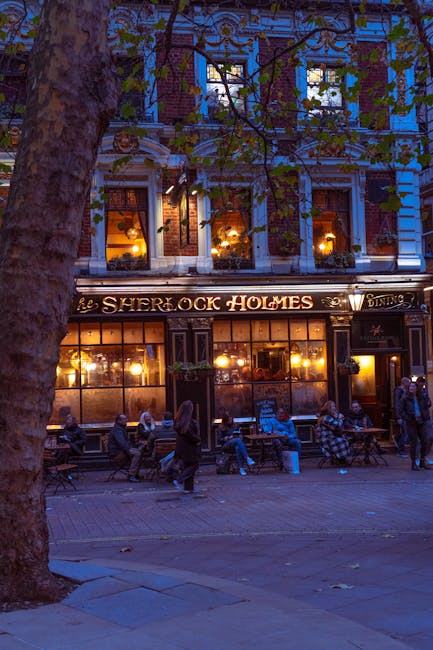
The Sherlock Holmes Museum sits in one of London's most visited and characterful neighbourhoods, and that immediately changes how a move should be organised. Access is not just about whether a van can physically reach the address. It is about how long the vehicle can stay, where it can stop without causing disruption, how easily furniture can be carried from pavement to doorway, and whether your move clashes with tourist traffic, local deliveries, or residential restrictions.
In places like Marylebone, the access question often decides the whole moving strategy. A van that would be fine on an ordinary suburban road can become awkward in a busy central-London side street. That does not mean the area is difficult to move in; it means you need to be more deliberate. A well-timed arrival, the right vehicle size, and clear communication with the building or concierge can save an enormous amount of hassle.
There is also a practical cost angle. If access is poor, the move takes longer. If the move takes longer, labour costs rise and stress rises with it. So yes, access planning is a logistical detail, but it is also one of the most effective ways to keep the move efficient.
If you want broader context about the neighbourhood itself, our Marylebone area guide and resident insights on living in Marylebone are helpful companion reads.
How Moving near Sherlock Holmes Museum: access tips Works
Good access planning starts before a van is booked. The basic process is simple, but each step matters.
1. Identify the access constraints
Start with the property itself. Is it a basement flat, upper-floor apartment, converted townhouse, or office space? Does the building have a lift, a shared entrance, a porter, or a narrow stairwell? Is the entrance directly on a busy road or tucked away in a mews or side street? These details decide what size vehicle and what crew setup you need.
2. Check vehicle stopping options
Central London moves often depend on how close the vehicle can get to the front door. A smaller removal van or man with van service in Marylebone can sometimes be easier than a large lorry, especially where roads are tight or stopping time is limited. In some cases, a larger vehicle may still be suitable, but only if there is reliable loading space and a clear route for manoeuvring.
3. Work with timing, not against it
Timing is one of the most overlooked parts of moving near the museum. Early mornings are often calmer than midday, particularly when visitor traffic is building. Midweek moves can also be easier than weekends, depending on local demand and building rules. The exact choice will depend on your property and the service you choose, but the principle is the same: avoid fighting the busiest parts of the day if you can.
4. Protect the carry route
Once items are off the vehicle, the final stretch often becomes the hardest part. Hallways, stairs, and entrances can bottleneck very quickly. Good movers think about this in advance: they measure large items, protect surfaces, and decide whether certain items need to be dismantled before the move begins. If you need support with preparation, the packing and boxes support for Marylebone moves is worth reviewing.
5. Match the service to the building
A studio flat move is not the same as a full house move, and a piano does not behave like a sofa. If your property has a lift, a flight of stairs, or a shared entrance, the service needs to reflect that. For bigger relocations, house removals in Marylebone or office removals in Marylebone may be more appropriate than a simple one-van job.
Key Benefits and Practical Advantages
When you plan access properly, the benefits show up in several places at once. It is not just about convenience.
- Less waiting time: A crew that can load and unload without circling the block is already ahead.
- Lower risk of damage: Shorter carry distances reduce the chance of bumping walls, door frames, or fragile items.
- Better cost control: Efficient access helps keep labour time under control.
- Less disruption to neighbours: In a busy area, a tidy, time-aware move is simply more considerate.
- More predictable scheduling: If everyone knows where to park, where to enter, and what to move first, the day stays organised.
Another practical advantage is mental space. Moving is already one of those tasks that fills the head quickly. When access is clear, one of the biggest unknowns is removed early. That alone can make the day feel much more manageable.
For people comparing providers, it can help to look beyond the headline price and focus on whether the company understands the area. A local team that knows Marylebone's traffic patterns and building types will often be easier to work with than a generalist team unfamiliar with central London access. If that is part of your decision-making, the page on removal services in Marylebone may help frame the options.
Who This Is For and When It Makes Sense
This guidance is most useful if your move involves any of the following:
- a flat or maisonette near Baker Street or the museum area
- a home with limited street access or a shared entrance
- a same-day move with little room for delays
- furniture that needs careful handling, such as wardrobes, mirrors, or antiques
- an office or short-term workspace relocation in Marylebone
- a move that depends on narrow streets, timed parking, or stair-only access
It also makes sense if you are moving into the area for the first time and want to avoid the usual first-move mistakes. A lot of people assume central London moves are "just smaller." Not quite. They are often simpler in terms of volume, but more demanding in terms of access planning.
That is why students, renters, homeowners, landlords, and business owners can all benefit from the same basic access approach. If you are between places and need flexibility, same-day removals in Marylebone can be a sensible option in the right circumstances. For a lighter move, student removals in Marylebone may be enough. For larger or more delicate loads, specialist handling is better.
Step-by-Step Guidance
Here is the most practical way to approach a move near the Sherlock Holmes Museum.
- Confirm your exact access point. Identify the entrance you will actually use, not just the postcode. Back entrances, side gates, service doors, and loading bays can change the whole plan.
- Measure the awkward items. Sofas, headboards, beds, appliances, and wardrobes often cause more trouble than expected. Measure height, width, and turning space.
- Ask the building about rules. Some buildings have preferred moving hours, lift bookings, or requirements for floor protection. A quick call can prevent a day of frustration.
- Choose the right vehicle size. Bigger is not always better in Marylebone. A more compact vehicle may be easier to position, faster to unload, and less disruptive.
- Prepare for parking or stopping constraints. Even if the van cannot stay right outside for long, a short, planned stop can still work well if items are ready to load.
- Pack by carry sequence. Put heavy items, fragile boxes, and essentials in an order that matches the unloading route. The first items off the van should usually be the easiest to place in the new property.
- Protect the route. Use floor coverings, blankets, and edge protection where needed. This matters in shared buildings where scratches create unnecessary problems.
- Build in a time buffer. In busy parts of London, a move rarely benefits from a tight schedule. Leave room for traffic, lift delays, or a tricky staircase.
A simple example: if you are moving from a second-floor flat on a narrow road near Baker Street, the best plan may be a smaller van, an early arrival, and a crew that can carry items in a steady, uninterrupted sequence. That can outperform a larger vehicle that struggles to stop properly.
Expert Tips for Better Results
These are the details that tend to make a real difference on moving day.
Use the building layout to your advantage
Many people focus on the front door and forget the rest of the route. If a side entrance is easier, or if a lift can be booked in advance, use it. Small route improvements can save a surprising amount of time.
Keep essentials separate
Set aside a clearly labelled bag or box with keys, documents, chargers, medication, cleaning supplies, and a few basics for the first night. It sounds obvious, but in the middle of a move, obvious things disappear faster than you would think.
Tell the movers about fragile or awkward items early
If something needs special care, say so before move day. That includes mirrors, artwork, electronics, antiques, and musical instruments. For specialist handling, piano removals in Marylebone show how different the approach can be when the item demands extra care.
Think in terms of load order
The best movers do not just "move boxes." They think about sequence. What comes off first? What needs the widest turning space? What should be placed at the back of the new property? Sequence matters because it keeps both properties usable during the move.
Ask for local insight
If your mover regularly works in Marylebone, they are likely to know the difference between a road that looks fine on a map and a road that is awkward in practice. That local knowledge is worth something. Truth be told, on moving day it can be worth a lot.
For a deeper sense of the company behind the service, you can also read about the team and browse customer feedback and testimonials.
Common Mistakes to Avoid
Most access problems are preventable. The same mistakes show up again and again.
- Assuming the van can stop anywhere: central London does not usually reward assumptions.
- Booking the wrong vehicle size: too large creates access issues; too small creates extra trips.
- Not checking building rules: lift bookings, concierge arrangements, and protected floors are easy to miss.
- Leaving packing until the last minute: the move itself becomes slower when items are not ready.
- Ignoring fragile or high-value items: a rushed carry can turn into avoidable damage.
- Planning around only one person's schedule: the building, the road, and the mover all have to align.
The most expensive mistake is usually the one that adds time. A move that runs thirty minutes long may not sound dramatic, but in a busy area it can affect the rest of the schedule, parking availability, and the crew's energy. Small delays stack up.
Tools, Resources and Recommendations
You do not need a complicated toolkit, but you do need a sensible one. A few practical tools can make the day much smoother.
- Printed or digital floor plan: Helps you decide where furniture should go in the new property.
- Measuring tape: Useful for doors, stair widths, lifts, and awkward furniture.
- Labels and marker pens: Keep boxes organised by room and priority.
- Blankets, wrap, and tape: Good for protecting furniture and surfaces.
- Phone numbers for building contacts: Concierge, landlord, agent, or property manager details can save time if something changes.
For broader preparation, furniture removals in Marylebone can be useful if your move includes bulky items, while storage options in Marylebone may help if you need to split the move into stages.
If you are comparing routes and service types, the man and van option, a dedicated removal van, and full removals in Marylebone each suit different access situations. Choose the one that matches the building, not the other way around.
Law, Compliance, Standards and Best Practice
For a move near a busy tourist and residential area, best practice matters. That does not mean every move requires a complicated compliance checklist, but it does mean you should treat access, safety, and neighbour impact seriously.
In practical terms, a good removals provider should:
- work safely around pedestrians and vehicles
- protect property surfaces where reasonable and appropriate
- handle items carefully to reduce breakage risk
- communicate clearly about time windows and responsibilities
- respect building rules and local access limits
If you are hiring help, it is sensible to review service terms, safety information, and payment details before confirming. Those pages should be easy to find and easy to understand. You can also look at the company's health and safety policy, insurance and safety information, and terms and conditions to understand how the service is framed.
For accessibility concerns, particularly if you or a household member has mobility needs, the accessibility statement is also worth reading. It gives a clearer sense of how a provider thinks about access and inclusion, which is especially relevant in older London buildings with stairs, narrow halls, or limited lift access.
If a move is urgent, make sure any same-day arrangement is still realistic from a safety and building-access point of view. Speed is useful; rushed planning is not.
Options, Methods, or Comparison Table
Different access situations call for different moving methods. The best choice depends on your property, volume, and timing.
| Method | Best for | Access strengths | Watch-outs |
|---|---|---|---|
| Man with a van | Smaller moves, single flats, light furniture | Easier to position in tight streets, flexible for short jobs | May not suit larger multi-room loads |
| Dedicated removal van | Moderate household moves and bulkier items | More space for efficient loading and fewer trips | Needs more careful stopping and parking planning |
| Full removals team | Full-house or office moves, heavy or fragile loads | Best for coordination, lifting, packing support, and awkward access | Usually needs more advance planning and a clearer schedule |
| Split move with storage | Moves with timing gaps or renovation delays | Reduces pressure when access or settlement dates do not align | Requires extra organisation and may add handling steps |
As a rule of thumb, if access is tight and the item list is modest, a compact service can be ideal. If access is tight and the item list is not modest, you need a team that knows how to handle both problems at once. That is where local experience really earns its keep.
Case Study or Real-World Example
Consider a typical Marylebone move: a couple relocating from a third-floor flat near the museum area into a nearby property a few streets away. On paper, the distance is tiny. In real life, the access challenge is the real issue.
The old flat has a narrow staircase, a busy street outside, and limited stopping space. The new property has a better entrance but a smaller internal hallway. The sensible approach is to use a van that can stop quickly, load in a controlled sequence, and keep the move order tight. Large furniture is dismantled in advance, fragile items are boxed separately, and the team arrives early enough to avoid the busiest mid-morning period.
What changes the result is not luck. It is sequence, timing, and route awareness. The move finishes with fewer delays because the awkward parts were dealt with before the van arrived. That is the real lesson for anyone moving near the Sherlock Holmes Museum: the best access tip is usually the one that saves the most time before the first box is even lifted.
If you are planning a broader transition, perhaps alongside property change or investment decisions, the related article on buying property in Marylebone may be useful. For those weighing the longer-term appeal of the area, Marylebone real estate insights add useful context.
Practical Checklist
Use this checklist before move day. It is simple, but it catches the details that often cause trouble.
- Confirm the exact property entrance and any alternative access points
- Check whether the building has lift access, booking rules, or moving hours
- Measure the largest furniture items and compare them with door and stair widths
- Decide whether a compact van or a larger removal vehicle is more suitable
- Prepare labels for boxes and separate essentials for first-night use
- Protect floors, corners, and vulnerable surfaces where needed
- Share special instructions about fragile, valuable, or awkward items
- Allow a time buffer for traffic, parking, and building delays
- Keep keys, contact numbers, and documents in one easy-to-reach place
- Review the mover's service details, safety information, and quote before confirming
Practical summary: if you check the route, the vehicle, and the building rules in advance, the actual move near the Sherlock Holmes Museum becomes much more predictable. That is the kind of preparation that quietly saves time and stress.
Conclusion
Moving near the Sherlock Holmes Museum is absolutely doable, but it rewards planning more than a typical suburban move. Access is the central issue: where the van can stop, how items will be carried, what the building allows, and how you time the day around Marylebone's busier periods. Get those things right and the move feels smoother almost immediately.
For the best outcome, choose a service that understands local access conditions, ask the right questions early, and prepare the property and boxes before moving day begins. If you are still comparing options, browsing the services section and checking the latest Marylebone moving advice can help you decide what level of support makes sense for your situation.
Get a free quote today and see how much you can save.
And if you would like to talk through a move that needs careful access planning, you can also use the contact form to ask for tailored guidance before you book.