W1U removals: postcode parking and loading tips
Posted on 22/05/2026
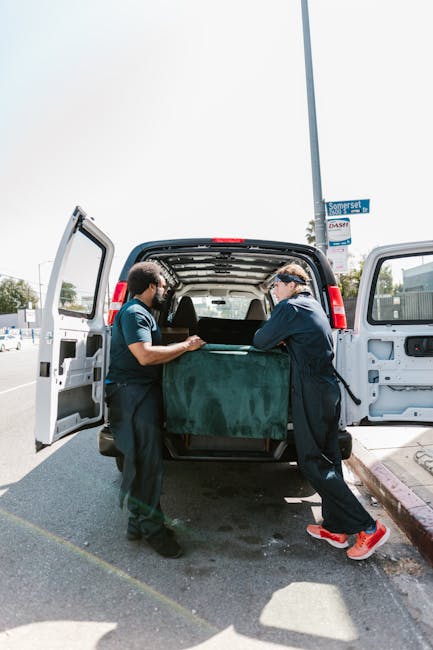
If you are planning a move in W1U, the packing is only half the story. The real headache often starts the moment the van pulls up and you have to figure out where it can stop, how long it can stay there, and whether the front door is even reachable without blocking a bus lane or a neighbour's driveway. That is why W1U removals: postcode parking and loading tips matter so much. In a busy central London postcode, small details around access can decide whether moving day feels calm or chaotic.
This guide breaks down the practical side of parking, loading, timing, and local planning so you can avoid delays and keep the whole move moving. Truth be told, a tidy lift plan and a sensible parking strategy are often worth more than another pair of hands. And yes, a bit of local know-how helps too.
Why W1U removals: postcode parking and loading tips matters
W1U sits in one of those parts of London where road space is always doing three jobs at once: traffic, parking, and loading. That sounds obvious, but it changes everything for a move. A removal van that can stop close to the entrance saves time, reduces lifting distances, and lowers the chance of damaged furniture. A van that has to circle the block or park several streets away? That is where a straightforward move starts to feel like a very long day.
Parking and loading are not just logistical details. They affect safety, cost, timing, and even neighbour relations. If the van is left idling in the wrong spot, or someone blocks a narrow street while trying to carry a sofa, you can quickly run into complaints or enforcement issues. That is why a lot of experienced movers spend as much time planning the approach as they do packing the boxes. It is a small thing. Not really small, actually.
For people moving into or out of the area, this matters even more because W1U includes a mix of residential streets, mews properties, mansion blocks, and busy commercial edges. If you are also comparing service options, it helps to understand the wider support available through our removal services overview and the more specific options such as man and van support in Marylebone or house removals in Marylebone.
How W1U removals: postcode parking and loading tips works
At its simplest, the process is about matching the vehicle, the street, and the moving schedule. But in practice, there are several moving parts. Some streets allow short-stay loading only. Some have resident bays, pay-and-display bays, or yellow line restrictions. Others are tight enough that a van may need to stop, unload quickly, and move on before causing an obstruction.
In central London, the best approach is usually to plan the loading zone before moving day, not during it. That means checking the street layout, confirming the likely access point, and deciding where the van can safely pause without forcing a complicated carry route. For flats and upper-floor properties, that route matters a lot more than people expect. Carrying a wardrobe down two flights and across a long pavement is tiring, yes, but it also increases the chance of knocks, scrapes, and delays.
Good loading practice in W1U usually includes:
- choosing the nearest legal stopping point to the entrance
- keeping the loading route clear of bins, bikes, and planters
- using team coordination so items move from room to van without waiting around
- protecting common areas in blocks and shared buildings
- allowing buffer time for traffic, pedestrians, and parking changes
In our experience, the best moves feel almost quiet at street level. A bit of planning, a steady rhythm, no shouting, no panic. That is the aim, anyway.
Key benefits and practical advantages
When you get parking and loading right, the benefits show up everywhere else in the move. The obvious one is time. The less obvious one is energy. A shorter carry distance means less fatigue, which usually means fewer mistakes by the end of the day. That matters when you are moving fragile items, awkward furniture, or boxes that all look the same after 2 p.m.
Here are the main advantages:
- Lower risk of damage: fewer steps, fewer turns, and less chance of bumping walls or door frames.
- Better time control: loading is faster when the van is correctly positioned.
- Reduced stress: no one enjoys a moving day spent hunting for parking while friends stand around with a mattress.
- Smoother communication: everyone knows where to stand, what goes first, and what gets loaded last.
- Cleaner compliance: a planned stop is easier to manage than a rushed, improvised one.
There is also a commercial side to it. If you are getting quotes, a well-planned access strategy can make pricing more accurate. For a clearer idea of how jobs are assessed, it is worth looking at pricing and quote guidance. If you want to see how other customers describe the experience, the customer feedback section is useful too.
Who this is for and when it makes sense
This guide is useful for more than just large house moves. In fact, some of the trickiest W1U jobs are the smaller ones, because people assume they will be simple and then get caught out by access. A single-item move can become awkward fast if the van cannot stop near the door. Same story with top-floor flats, student moves, office relocations, and furniture deliveries.
You will especially benefit from this approach if you are:
- moving into a flat with limited street access
- moving out of a mansion block with shared entrances
- handling a same-day or short-notice relocation
- moving bulky furniture, a piano, or delicate items
- trying to coordinate movers, friends, and building staff at once
- working around school-run traffic, delivery vans, or event day congestion
For students and renters, the best preparation is often about timing and simplicity. A smaller, flexible vehicle can make life much easier. For bigger homes or businesses, you may need more structure, more protection, and a tighter plan. If that sounds familiar, have a look at student removals in Marylebone, flat removals, or office removals depending on your situation.
Step-by-step guidance
Here is the practical version. No fluff, just the sequence that tends to work best on a real moving day.
- Check the street context early. Look at the road layout, parking restrictions, and where a van would realistically stop.
- Measure the path from van to door. Shorter is better, but also think about steps, kerbs, narrow gates, and awkward corners.
- Decide what needs priority loading. Large furniture, fragile boxes, and essentials should be grouped before anything else.
- Prepare the property access. Clear hallways, hold doors open safely, and protect floors if needed.
- Plan the timing. Morning starts can be easier, but only if you allow for traffic and building access. Sometimes early afternoon is actually calmer. Depends on the street.
- Assign roles. One person directs, one moves items, one checks for breakables or forgotten pieces. Too many voices can slow everything down.
- Load in the right order. Heavy and stable items first, soft items to fill gaps, delicate items secured last where possible.
- Leave a buffer. There is almost always one thing that takes longer than expected: a lift delay, a neighbour needing access, a box left in the bathroom. Always.
A useful rule of thumb is to think like a delivery driver and a homeowner at the same time. You want legal stopping space, but you also want the shortest practical carry route. That balance is the whole game.
Expert tips for better results
Small decisions can save a surprising amount of effort. Here are the kinds of details experienced movers pay attention to in W1U.
1. Use the building, not just the street
Many moves become easier if you speak to the building manager, concierge, or porter in advance. They may know the best entrance, lift rules, or quieter times for access. That can save you from guesswork on the day.
2. Keep the van loading area as simple as possible
The area outside the property should be clear, if you can manage it. One misplaced bike or recycling bin can turn a simple carry into an awkward weave. It sounds obvious. People still forget it.
3. Think in weight, not just volume
Two boxes may look the same size, but one could contain books and the other bedding. When loading, heavy and dense items need proper placement. Do not bury them where they will crush softer goods.
4. Use the right vehicle size
In central London, bigger is not always better. A smaller van that can stop close to the property may be quicker and easier than a larger vehicle that struggles with access. If you are unsure, the right removal van size in Marylebone can make a real difference.
5. Protect the bits you do not want to think about later
Floor runners, door protection, blankets, and straps all sound boring until they prevent an avoidable problem. That is the unglamorous truth of removals. Boring gear is useful gear.
If your move includes furniture that needs extra handling, furniture removals in Marylebone can be a helpful reference point, and for more specialist items there is also piano removals support.
Common mistakes to avoid
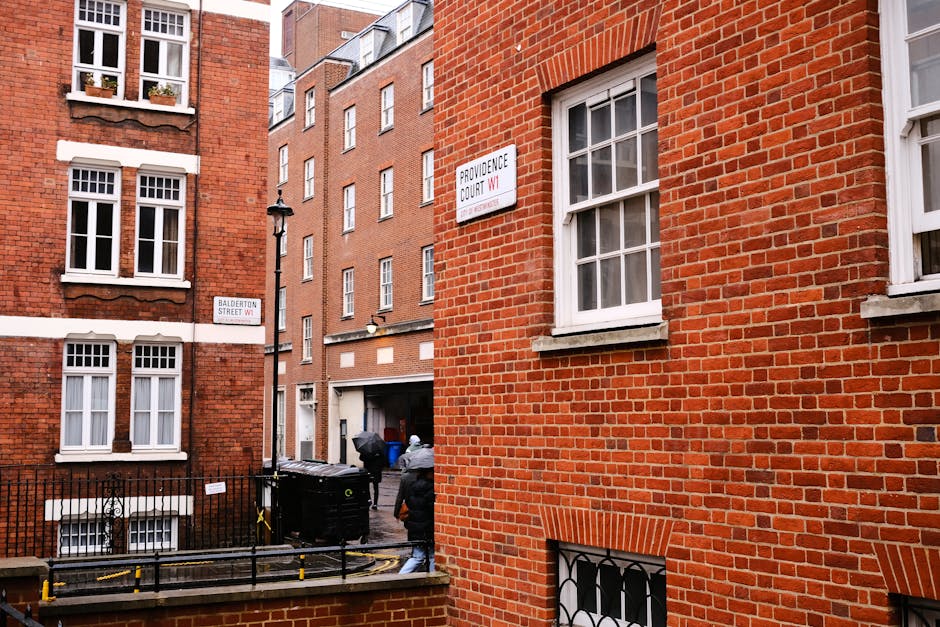
Most moving-day problems in W1U are not dramatic. They are little misjudgements that pile up. The van parks too far away, the lift is booked late, the boxes are packed loosely, and suddenly everything takes twice as long. Not ideal.
- Assuming parking will be easy: in central London, hope is not a parking strategy.
- Ignoring loading restrictions: some spots are not suitable for longer stops, even if they look convenient.
- Leaving packing until the last minute: a half-packed move is harder to load, harder to protect, and harder to track.
- Not measuring doors or stairwells: this is how wardrobes become emotional objects.
- Forgetting access rules for blocks: some buildings have quiet hours, lift bookings, or entry procedures.
- Underestimating traffic and pedestrian flow: W1U is not the place to be overly optimistic about timing.
If you want a smoother move overall, this is where solid packing support helps. Browse packing and boxes in Marylebone or the broader removal services page for a better idea of what can be handled together. A well-packed box is a small mercy on a busy day.
Tools, resources and recommendations
You do not need a huge toolkit, but the right basics help a lot. The exact kit depends on the size of the move, yet a sensible setup usually includes:
- strong boxes in a few sizes
- packing tape and a tape dispenser
- marker pens and labels
- blankets or furniture covers
- trolleys or sack trucks for heavier items
- straps or tie-downs for securing loads
- protective film for upholstered or awkward items
For anyone trying to understand the broader picture of moving in the area, the local blog content can be genuinely useful. You might find context in moving near the Sherlock Holmes Museum access tips, which covers access considerations in a nearby part of Marylebone. And if you are still deciding whether W1U suits your lifestyle or property plans, the piece on getting to know Marylebone is a good companion read.
It can also help to look at the moving process through the lens of your wider plans. Are you buying, renting, or reorganising a property? Are you moving soon or just getting prepared? The articles on buying property in Marylebone and resident insights for living in Marylebone offer useful local context.
Law, compliance, standards, and best practice
For parking and loading, the safest approach is to follow the local rules that apply to the street and property rather than guessing. In London, that usually means paying close attention to signs, bay markings, waiting restrictions, yellow lines, red routes where relevant, and any building-specific instructions. The exact restrictions depend on the location, so it is sensible to check before the move rather than assume a short stop will be fine.
A few good-practice points apply almost everywhere:
- Do not block access: driveways, crossings, and emergency routes should stay clear.
- Keep loading safe: avoid unstable stacks, dragging items across pavements, or lifting in a way that risks injury.
- Respect neighbours and shared spaces: that includes noise, lift use, and corridor space.
- Use insurance-aware handling: fragile or high-value items should be packed and transported with care.
- Follow building rules: many London properties have their own moving procedures, and they matter.
If you want reassurance around standards and handling, the pages on insurance and safety and health and safety policy are worth a look. The short version: plan carefully, lift sensibly, and avoid improvising in the street because you are in a hurry. That usually ends badly.
Options, methods, or comparison table
There is no single best way to manage parking and loading in W1U. The right method depends on how much you are moving, how tight the street is, and how much help you have. Here is a simple comparison.
| Approach | Best for | Pros | Trade-offs |
|---|---|---|---|
| Small van with close street access | Flats, students, lighter household moves | Quick loading, easier parking, simpler street manoeuvring | May need more trips if volume is high |
| Larger removal vehicle | House moves, office moves, bigger inventories | More capacity, fewer journeys | Can be harder to place close to the property |
| Shuttle-style loading from a nearer stop | Restricted streets or awkward access | Useful where the van cannot park directly outside | Slower and more labour-intensive |
| Staged loading with timed access | Buildings with concierge or booking requirements | Organised, safer, less disruption | Needs more coordination beforehand |
For many W1U moves, a compact, well-planned setup wins. Bigger is not always smoother. Sometimes it is just bigger. Slight difference, but important.
Case study or real-world example
A typical W1U move might involve a two-bedroom flat on an upper floor, a narrow one-way street, and a shared entrance with limited waiting space. The client thinks it will be quick because the property is small. Then the first surprise arrives: the van cannot sit directly outside for long, so the team needs to load in short bursts while keeping the hallway clear.
In that sort of situation, the smoothest approach is usually to split the load into priority groups: essentials, furniture, fragile items, and overflow. Boxes are stacked in the order they will be used, the team keeps a clear path from flat to van, and the van is positioned to reduce double handling. The result is not flashy, just efficient. Which is exactly what you want.
A small but helpful detail in this example: if the building lift is booked or shared, the move can slow down without warning. That is where good communication matters. One person talks to the building contact, one manages the flow of items, and one checks the van load. Simple roles. Fewer surprises.
For larger moves like this, some customers also choose same-day removals in Marylebone when timing is tight, or storage in Marylebone if the new place is not ready yet. That combination can take a lot of pressure off.
Practical checklist
Use this before moving day. It will save you time, honestly.
- Confirm the exact moving address and entrance point.
- Check street restrictions, loading spaces, and likely congestion periods.
- Measure large furniture and any tight internal turns.
- Book lifts or notify building management if required.
- Pack essentials separately and label fragile boxes clearly.
- Keep corridors, doorways, and external access areas clear.
- Choose the right van size for the street and volume.
- Prepare blankets, straps, tape, and protective materials.
- Plan who is directing, carrying, and checking each stage.
- Allow extra time for delays, parking changes, and final checks.
Expert summary: In W1U, the best removals are rarely the ones that try to do everything at once. They are the ones that respect the street, the building, and the carry route. A few minutes spent planning parking and loading can save an hour of effort later.
Conclusion
W1U removals need more than a van and a few boxes. They need a realistic plan for parking, a sensible loading strategy, and a clear view of how the street actually works on the day. Get those parts right and everything else becomes easier: the lifting, the timing, the protection of your items, even the mood in the room.
Whether you are moving a flat, a family home, a student room, or an office, the same principle applies. Plan the access, keep the route clear, and do not leave parking to chance. That simple discipline turns a stressful London move into something much more manageable. And that is a relief, to be fair.
Get a free quote today and see how much you can save.
If you are ready to talk through your move, take a look at the contact page and the wider services section to get the right support for your postcode and property type. A calm move is still possible, even in central London.